
The Pickett Breach Exposes an Uncomfortable Truth: Your Vendors Are Your Weakest Security Link
A newly disclosed cyber incident involving Pickett and Associates, LLC—a Tampa-based engineering firm—has brought a stark reminder to corporate boards and risk officers that expanding digital attack surfaces, especially through third parties, can jeopardize national infrastructure and organizational resilience.
In early January 2026, cybercriminals posted on underground forums that they had stolen and were offering for sale about 139 gigabytes of sensitive engineering data allegedly taken from Pickett’s systems. The firm provides transmission line design, aerial surveying, LiDAR mapping, and geospatial services to several major U.S. utilities, including Tampa Electric Company, Duke Energy Florida, and American Electric Power.
The files reportedly contain raw LiDAR point cloud data, high-resolution orthophotos, MicroStation design files, and comprehensive transmission corridor schematics for active utility infrastructure projects. A threat actor has priced this haul at 6.5 bitcoin (roughly $580,000), illustrating the commercial value malicious actors see in operational engineering data.
Pickett USA has not publicly confirmed the breach, while Duke Energy says its cybersecurity team is investigating the claim.
Why This Incident Matters
At first glance, this may read like another dark web sale of stolen files. But several factors elevate its significance:
1. Critical infrastructure exposure. Unlike breaches that involve customer records or financial details, this dataset allegedly maps real, operational assets that form the backbone of regional power grids. Exposure of such sensitive data could aid adversaries in planning attacks or disruptions if verified.
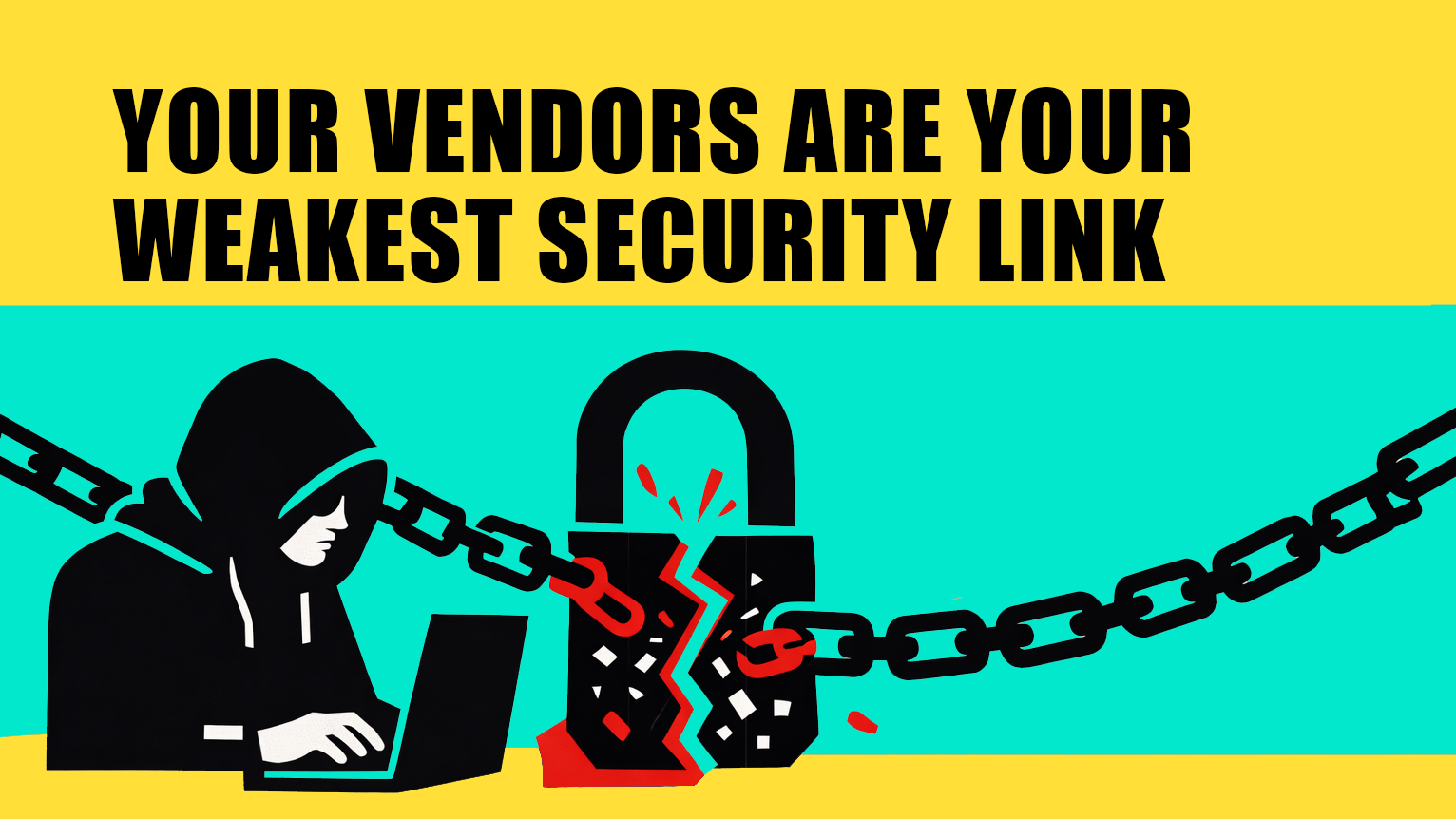
2. Third-party risk in focus. Utilities and large enterprises often invest heavily in internal security. But once they share data with external partners, the security and risk profile of that data becomes tied to the weakest link in their extended enterprise. Experts have pointed to this as a classic “extended enterprise” vulnerability: even well-secured companies depend on the controls of smaller vendors handling critical data.
3. No easy boundary between sectors. The utility sector is designated as critical infrastructure by U.S. policy, meaning failures or disruptions could have cascading effects on public safety, economic activity, and national security. A breach at a design and services vendor demonstrates how attackers increasingly target service providers to reach operationally sensitive ecosystems.
Lessons for GRC and Security Leadership
The Pickett USA incident highlights several key takeaways for boards, CIOs, CISOs, and compliance leaders:
Governance extends beyond internal walls. Traditional Cybersecurity and IT governance frameworks rightly focus on in-house risk controls. But today, governance must include formal oversight of partners, suppliers, and vendors. Organizations should ensure that third parties meet their own policy, compliance, and security standards before sensitive data is shared, and that this oversight is documented, audited, and measurable.
Risk management must be proactive. Identifying and quantifying risk is a core function of enterprise risk management. But this breach shows that risk management can’t wait for incidents to occur. Organizations should conduct continuous risk assessments, simulate breach scenarios across the supply chain, and integrate cyber risk into broader operational risk frameworks.
Compliance is more than a checkbox. Regulatory frameworks like NERC CIP for energy infrastructure, state breach notification laws, and industry standards (NIST CSF, ISO 27001, SOC 2) require not only controls, but evidence of ongoing validation. A failure at a third-party service provider can trigger compliance issues for the customer organization too, if sensitive regulated data was exposed.
TPRM can’t be aspirational. Third-party risk management often lags behind other risk disciplines. But this incident illustrates that a mature TPRM program is not optional. Boards and executives must see TPRM as a strategic imperative, not a compliance afterthought. This means investing in dedicated resources, tooling, continuous monitoring, binding contractual safeguards, and formal escalation paths for vendor risk.
The Bigger Picture
Cyber threats are evolving against a backdrop of increasing complexity. Cloud services, remote work, digital operations technology, and interconnected supply chains mean that attackers have more pathways to exploit. Data breaches in 2025 showed that energy, healthcare, and critical services sectors are frequent targets. While internal defenses matter, the “soft underbelly” is often outside organizational firewalls in a partner’s system.
For leaders in the boardroom and beyond, the Pickett USA incident is a timely reminder that governance, risk, and compliance strategies must evolve from static policies into dynamic, risk-based practices that encompass the extended enterprise.
Ignoring investments in GRC and cybersecurity won’t make these risks disappear. It will only delay the inevitable reckoning when a breach impacts customers, operational integrity, or core business continuity.